
Why Choose Quality Home Inspections For Your Delaware Home Inspection?
Avoid Unexpected Issues Before You Move Into Your New Home With A Professional Wilmington DE Home Inspection From A Trusted Local Inspector.
Same Day Digital Reporting
Flexible Scheduling Available
Trusted Delaware Home Inspector
Detailed Full-Color Inspection Reports
About Us
Your Trusted Delaware Home Inspection Partner
Quality You Can Count On
Excellence In Every Inspection, Every Property!
Trusted Home Inspection Company Serving Wilmington And Delaware
Whether you are buying, selling, or maintaining a home in Wilmington, DE, Quality Home Inspections provides detailed home inspection services designed to help you make informed decisions with confidence.
Our licensed Delaware home inspectors perform comprehensive evaluations for buyers, sellers, homeowners, and real estate professionals throughout Wilmington, Middletown, Newark, Dover, Bear, Lewes, and surrounding Delaware communities.
Every Delaware home inspection includes a detailed digital report with full-color photos, clear explanations, and professional insights to help you better understand the condition of the property. We also offer specialized environmental testing, including a professional indoor air quality inspection, to ensure your family's safety from invisible pollutants.
We perform our home inspections throughout Wilmington, Newark, Middletown, Dover, and the surrounding areas of Delaware.
~Ted Hinderer, Owner, Lead Inspector
Looking for a detailed buyer home inspection Delaware homeowners trust? Explore our professional inspection services for buyers, sellers, and new construction homes throughout Wilmington and surrounding areas.
Trusted Wilmington DE Home Inspection Company With A Satisfaction Guarantee
At Quality Home Inspections, we believe every client deserves a detailed and professional Delaware home inspection experience. Our goal is to help homebuyers, sellers, and homeowners feel confident about their property decisions.
We understand that choosing a Wilmington, DE home inspector is an important step during the real estate process. That is why we focus on clear communication, thorough inspections, and easy-to-read digital reports.
Our satisfaction guarantee is simple:
Attend your home inspection and review the process with your inspector. If you are not satisfied before receiving your report, let us know so we can address your concerns immediately.
Our inspections are designed to help identify visible issues related to:
Roofing
Structure
Electrical Systems
Plumbing
HVAC Systems
Exterior Components
Interior Components
Whether you need a buyer home inspection, seller home inspection, or new construction inspection in Delaware, our team is here to help.
Need a buyer's home inspection in Wilmington, DE? Learn more about our Buyer Home Inspection services.
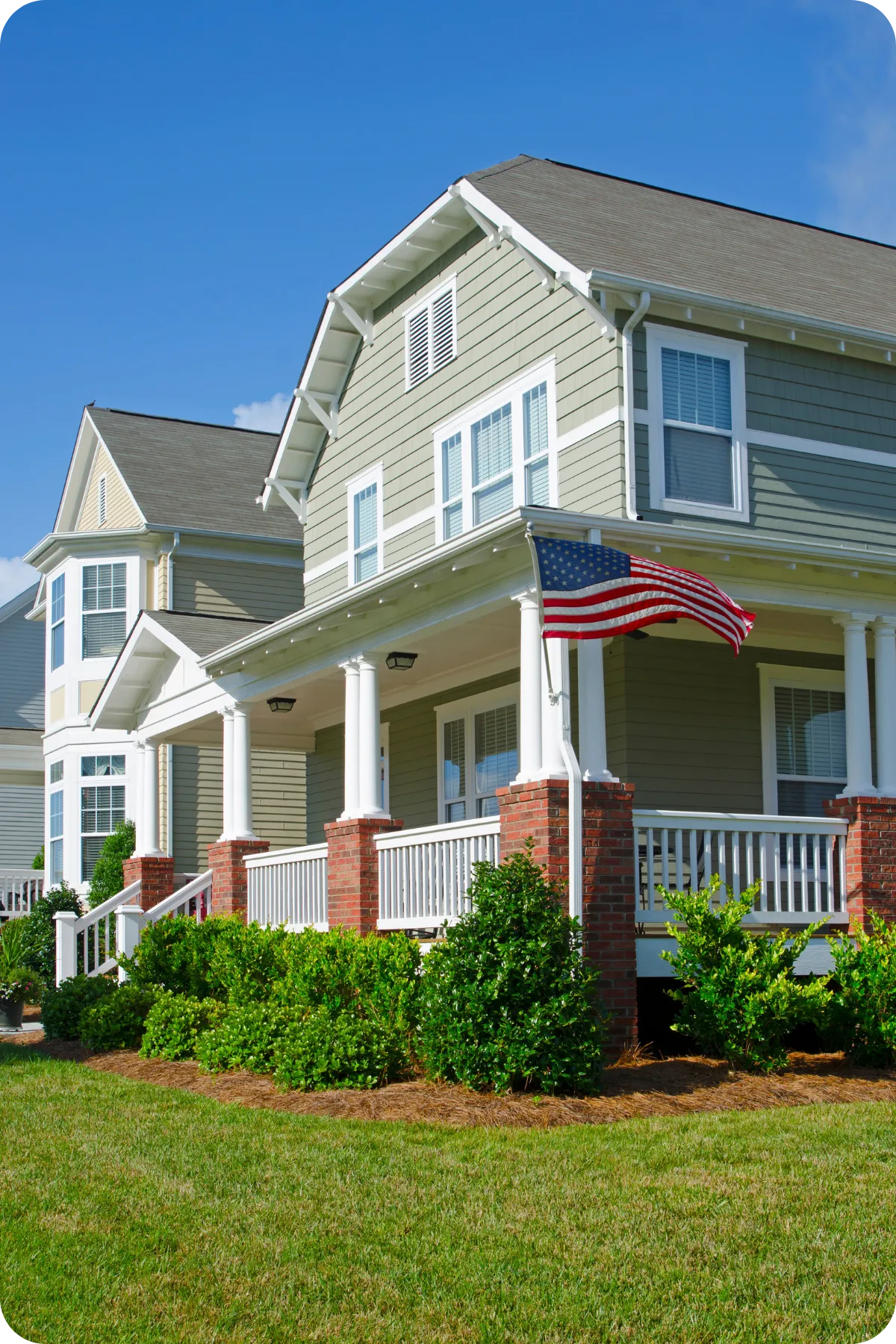

At Quality Home Inspections, our Wilmington, DE home inspection services are designed to provide buyers, sellers, and homeowners with detailed information about the condition of a property.
Every Delaware home inspection includes a professional on-site evaluation followed by a detailed electronic report with photos and easy-to-understand explanations.
Our inspections help clients better understand the condition of:
Roofing Systems
Structural Components
HVAC Systems
Plumbing Systems
Electrical Systems
Interior And Exterior Features
Our
REVIEWS
What Our Clients Say About Us
I am a LO with Meridian Mortgage. Also in the process of getting our new home. Ted came highly recommended. His son Josh was the inspector on both properties for us and did an absolutely phenomenal job. The knowledge he had was exceptional and his ability to break it down and explain it in a way to understand was even better. On top of that, the inspection report was very well put together, easy to read, and appealing to the eye. Thank you very much to this Father/Son duo! Will definitely be recommending to anyone who needs a “Quality” Home Inspection!

Ted was wonderful – the inspection was smooth, and he even gave me suggestions for the cosmetic repairs that I would be responsible for. They were very respectful and personable.

As a Realtor, you always look for people that do a great job for your clients as well as great people to work with. Ted & Josh Hinderer check off both boxes! I nicknamed Ted “The House Whisperer” because he knows his job & is passionate about educating our clients on their homes. I’ve learned so much from him over the years; he’s just a plethora of house information! The word “Quality” best describes this company because on top of knowledge, that’s the type of job you’ll get!

How Can We Guarantee The Home Inspection?
A detailed Wilmington, DE home inspection can help buyers and sellers better understand the condition of a property before closing.
At Quality Home Inspections, we take the time needed to carefully evaluate the home from roof to foundation. Our inspections are designed to provide valuable insights into visible components and systems throughout the property.
We encourage clients to attend the inspection whenever possible so they can ask questions and better understand the findings during the process.
The more thorough we are, the more defects we find, and the more money you save!
Our licensed home inspector in Wilmington will spend 2 to 3 hours thoroughly evaluating every aspect of the property, from the roof to the foundation and everything in between. We encourage you to join us during the inspection. While seasoned buyers and sellers may not need to be present the entire time, it's highly beneficial for first-time buyers or sellers to be there from start to finish. Not only will we inspect the property, but we’ll also explain the maintenance needed and why it’s important. You’ll gain a true understanding of your new home.
And don’t worry, we’ll make sure to explain everything in clear, easy-to-understand terms.
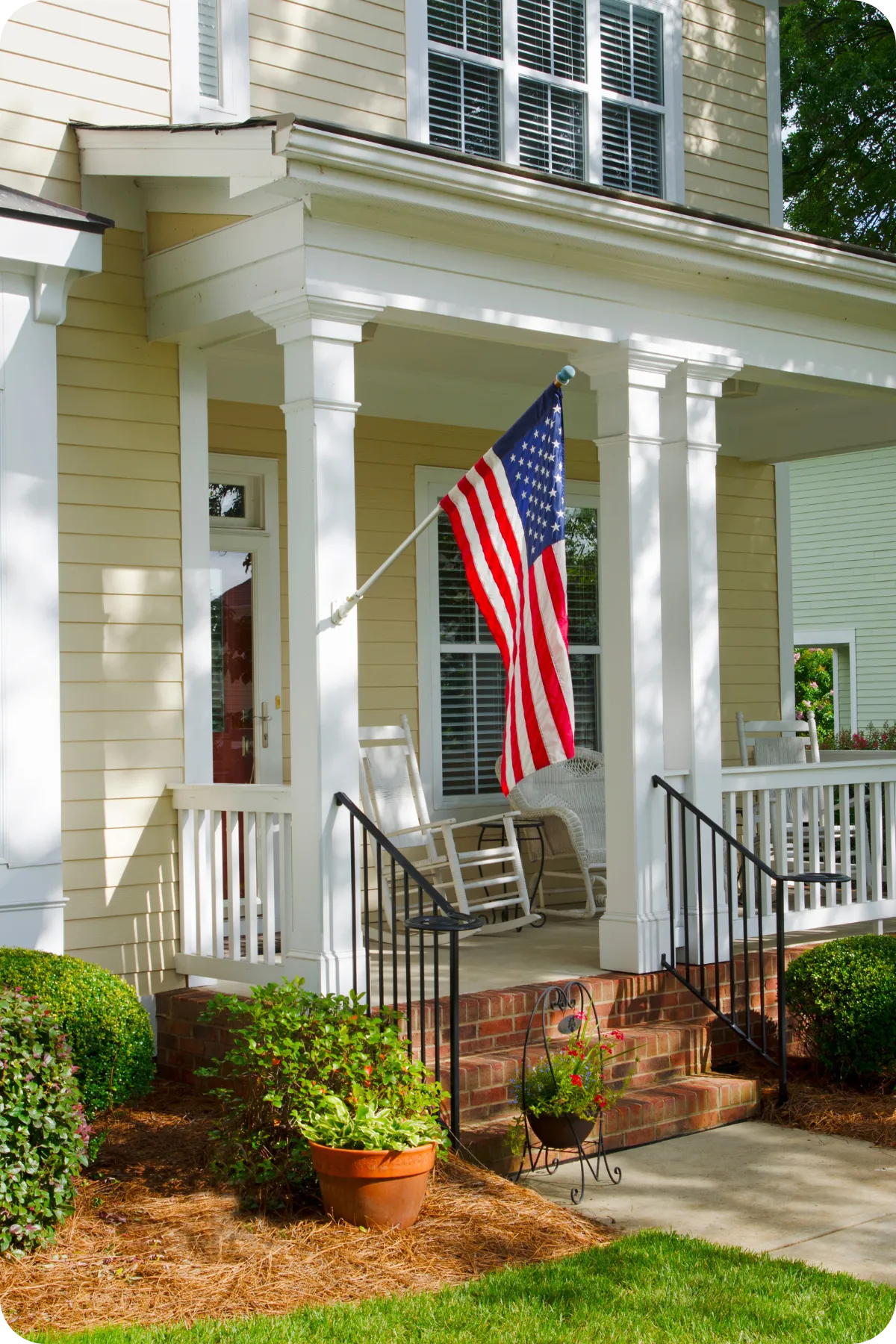
Schedule Your Delaware Home Inspection Today

Choose Quality Home Inspections for detailed buyer, seller, radon, and new construction inspections throughout Wilmington, Middletown, Newark, Dover, Bear, Lewes, and surrounding Delaware communities.




Our Home Inspection Services
When you or someone you know needs the services of a quality home inspection company, we would truly appreciate it when you think of us. You can schedule right from our website or call our office now (302) 883-8797.
5-Star Package
Buyer Home Inspection
Seller Home Inspection
New Construction Inspection
Builder’s Warranty Inspections
Radon Testing
Wood Destroying Organism Inspection
Well Testing
Pool and Spa Inspection
Schedule Your Inspection Today
Our licensed home inspectors have been serving Delaware homebuyers, homeowners, and real estate agents over the years making Quality Home Inspections a trusted Wilmington DE Home Inspection company of choice.
Call: (302) 883-8797 or
Updated: May 2026
At Quality Home Inspections, we offer a simple, no weasel words Guarantee. Attend the home inspection, and if for any reason you’re not satisfied with the “Quality” of the home inspection service, tell the inspector before receiving your report and we’ll either make it right, or you don’t pay the home inspection fee.
CONNECT WITH US
BUSINESS HOURS
Monday: 9:00AM – 6:00 PM
Tuesday: 9:00AM – 6:00 PM
Wednesday: 9:00AM – 6:00 PM
Thursday: 9:00AM – 6:00 PM
Friday: 9:00AM – 6:00 PM
Saturday: 9:00AM-12:00PM
Sunday: Appointment Only
© Copyright 2026. Quality Home Inspections. All Rights Reserved. Designed and Managed by: Home Inspector Help
We provide professional home inspection services throughout Delaware, Maryland, and Pennsylvania, including coastal, suburban, and inland communities.
Home Inspection Wilmington, DE | Home Inspection Newark, DE | Home Inspection New Castle, DE | Home Inspection Middletown, DE | Home Inspection Dover, DE | Home Inspection Bear, DE | Home Inspection Lewes, DE | Home Inspection Bethany, DE | Home Inspection Fenwick, DE | Home Inspection Elkton, MD | Home Inspection North East, MD | Home Inspection Galena, MD | Home Inspection Chester County, PA