
Mold, Radon, and VOCs: Understanding Indoor Air Threats in Delaware Homes
Published: June 19, 2026
Indoor air can have a major impact on the comfort, health, and safety of your home. Many Delaware homeowners focus on visible property issues like roofing, plumbing, electrical systems, or foundation concerns, but the air inside the home deserves just as much attention. Some indoor air contaminants are easy to notice because they cause odors or visible staining. Others, such as radon or certain airborne chemicals, may be impossible to detect without testing.
For Delaware homes, indoor air quality concerns are often linked to humidity, moisture intrusion, mold indicators, radon, ventilation conditions, and volatile organic compounds (VOCs). Understanding these indoor air threats can help homeowners, buyers, and sellers make informed decisions about testing and maintenance.
If you are concerned about indoor air contaminants, mold, radon, VOCs, or overall air quality in your Delaware home, an indoor air quality inspection can provide helpful information about what may be affecting your indoor environment.
Why Indoor Air Contaminants Matter in Delaware Homes
Indoor air contaminants can come from many sources. Some enter from the ground or outdoors, while others develop inside the home due to moisture, household products, building materials, or poor ventilation. Because many Delaware homes deal with seasonal humidity, crawlspace moisture, basement dampness, and changing weather conditions, indoor air quality issues can become more noticeable over time.
Poor indoor air quality may contribute to musty odors, allergy symptoms, headaches, respiratory irritation, discomfort, and concerns about the home environment's health. While not every odor or symptom indicates a serious issue, testing can help provide clarity.
An IAQ inspection is especially helpful when homeowners notice recurring odors, visible stains, condensation, moisture issues, or unexplained indoor comfort problems.
Mold: A Moisture-Related Indoor Air Concern
What Is Mold?
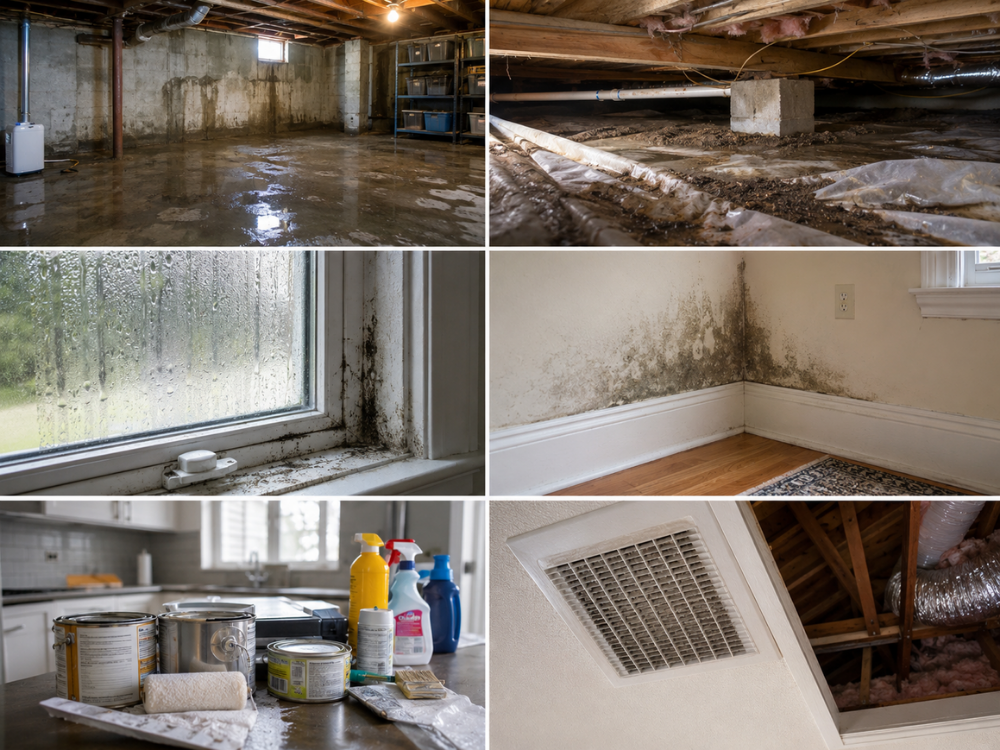
Mold is a type of fungus that can grow when moisture, oxygen, and organic material are present. In homes, mold may appear on walls, ceilings, floors, insulation, wood framing, HVAC components, cabinets, or areas affected by plumbing leaks or water intrusion.
Mold is often associated with damp areas, poor ventilation, roof leaks, foundation moisture, bathroom humidity, or crawlspace issues. In Delaware homes, humidity can make moisture control especially important.
Health and Comfort Concerns Linked to Mold
Mold can affect indoor comfort and may irritate people with allergies, asthma, or respiratory sensitivities. Some homeowners notice musty odors, coughing, sneezing, eye irritation, headaches, or allergy flare-ups when mold or mildew conditions are present.
Because reactions can vary from person to person, the goal of an IAQ inspection is not to guess at the cause of symptoms. Instead, testing helps identify whether moisture-related air quality concerns may be present and whether further action is needed.
How Mold Enters or Develops in Homes
Mold spores are naturally present in the environment and can enter homes through doors, windows, HVAC systems, clothing, pets, and outdoor air movement. Mold becomes a bigger issue when spores land on damp surfaces and begin to grow.
Common causes of mold-friendly conditions include:
High indoor humidity
Roof or plumbing leaks
Poor bathroom or kitchen ventilation
Damp basements or crawlspaces
Condensation around windows or ducts
Water intrusion after storms
HVAC drainage or airflow problems
How IAQ Testing Helps Detect Mold Concerns
Indoor air quality testing can help identify conditions that may support mold or mildew growth. An inspector may review moisture conditions, humidity levels, visible staining, odors, ventilation patterns, and other indicators that could point to indoor air quality concerns.
For homeowners who suspect mold, a professional indoor air quality inspection in Delaware can help provide useful information about the home’s indoor environment.
Radon: An Invisible Gas That Requires Testing
What Is Radon?
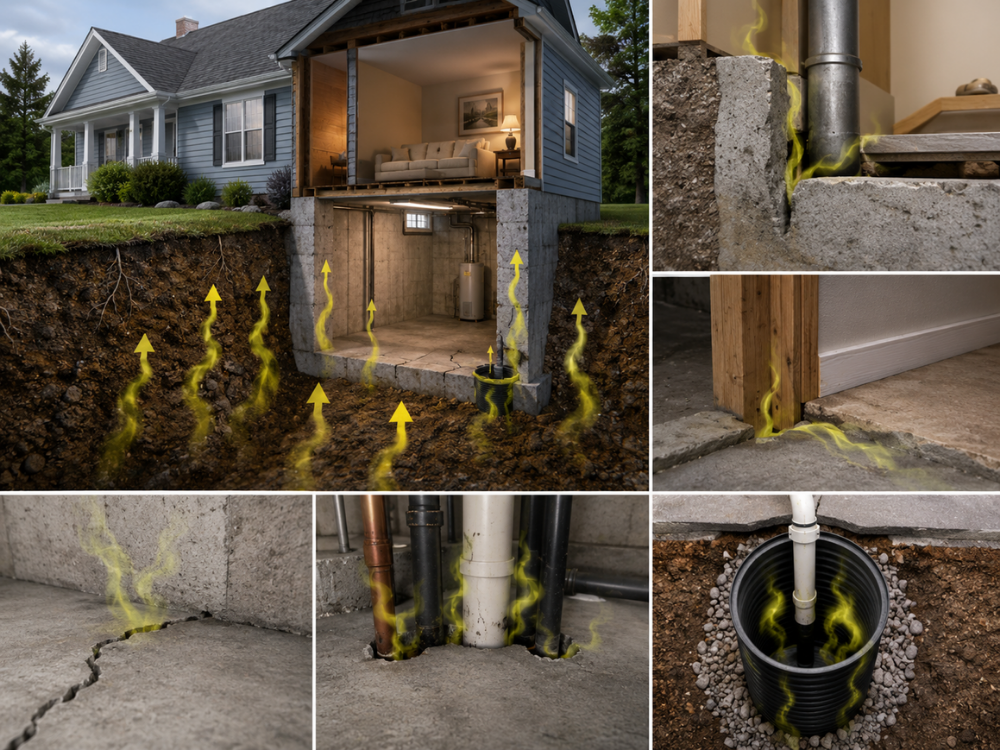
Radon is a naturally occurring gas that comes from the breakdown of uranium in soil and rock. It can move upward through the ground and enter homes through cracks, foundation openings, crawlspaces, sump pits, gaps around pipes, and other small entry points.
One of the biggest concerns with radon is that it cannot be seen, smelled, or tasted. A home can look clean and well-maintained while still having elevated radon levels.
Health Risks Associated With Radon
Radon exposure is a long-term health concern because breathing radon over time can increase the risk of lung-related health issues. Since radon is invisible and odorless, testing is the only reliable way to know whether elevated levels may be present in a home.
This is why radon testing is commonly recommended for buyers, sellers, and homeowners who want a better understanding of their indoor air quality.
How Radon Enters Delaware Homes
Radon can enter many types of homes, including homes with basements, crawlspaces, slabs, and lower-level living areas. It moves through soil and may enter indoors through openings in the foundation or gaps around utility penetrations.
Radon levels can vary from home to home, even in the same neighborhood. One house may test low while a nearby home tests higher, which is why individual testing is important.
How IAQ Testing Helps Identify Radon Concerns
Radon testing measures whether radon gas is present at elevated levels during the testing period. This information helps homeowners and buyers determine whether further evaluation or mitigation may be needed.
If you are already concerned about indoor air contaminants, including mold, radon, and VOCs in a Delaware home, combining radon testing with an IAQ inspection may provide a broader picture of indoor air conditions.
VOCs: Chemicals That Can Affect Indoor Air Quality
What Are VOCs?
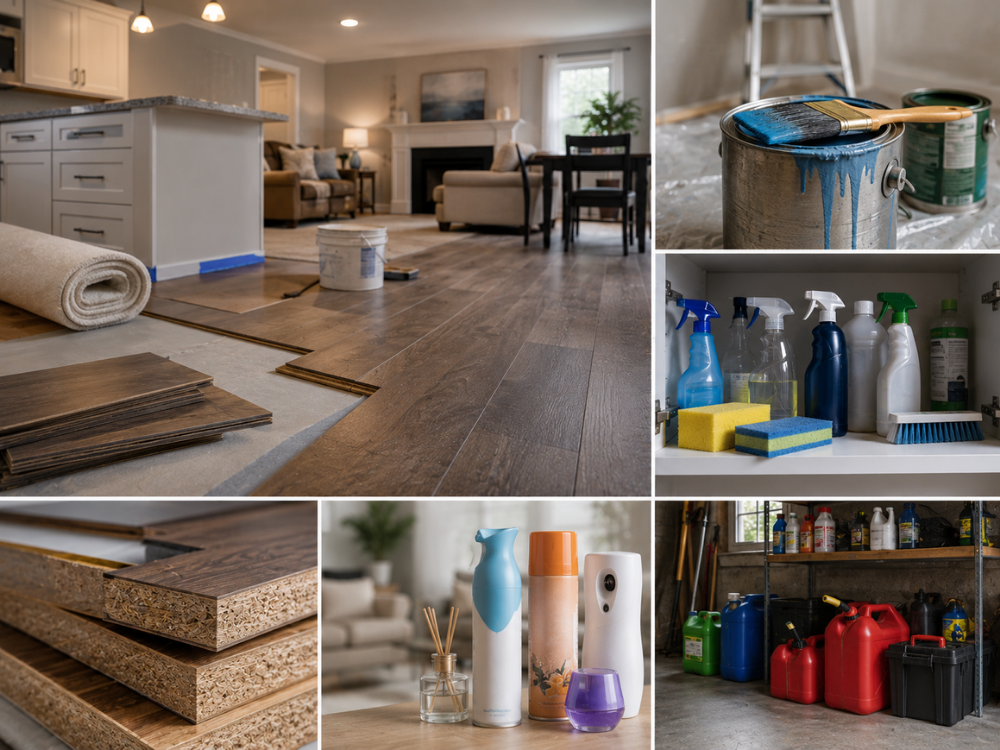
VOCs, or volatile organic compounds, are chemicals that can be released into the air from everyday products and materials. These may include paints, stains, adhesives, flooring, furniture, air fresheners, cleaning products, stored chemicals, pesticides, and building materials.
Some VOCs produce noticeable odors, while others may not be obvious. Newer homes, recently renovated spaces, or rooms with poor ventilation may have higher VOC concerns depending on the products used.
Health and Comfort Concerns Linked to VOCs
VOCs may contribute to headaches, eye irritation, throat irritation, dizziness, nausea, or general discomfort for some people. Individuals with asthma, allergies, chemical sensitivities, or respiratory concerns may notice symptoms more quickly.
Not every odor indicates unsafe VOC levels, but persistent chemical smells or indoor discomfort may be a reason to schedule testing.
How VOCs Enter or Build Up Inside Homes
VOCs usually come from products already inside the home. They may be released from new flooring, cabinets, furniture, paint, cleaning products, adhesives, stored fuels, or household chemicals. Poor ventilation can make these contaminants linger longer.
Common VOC sources include:
Fresh paint or stain
New carpet or flooring
Pressed wood furniture
Cleaning sprays and disinfectants
Air fresheners and scented products
Stored chemicals in garages or utility rooms
Remodeling materials
How IAQ Testing Helps Detect VOC Concerns
IAQ testing can help determine whether VOC-related concerns are affecting the indoor environment. The inspection may also help identify potential sources and provide guidance on improving ventilation or reducing exposure to indoor pollutants.
For Delaware homeowners, VOC testing can be especially useful after renovations, before moving into a home, or when persistent chemical odors are present.
Benefits of Indoor Air Quality Testing
An indoor air quality inspection helps homeowners move beyond guesswork. Instead of wondering whether a musty odor, damp room, or chemical smell is a serious issue, testing provides more useful information about what may be present inside the home.
Benefits of IAQ testing include:
Better understanding of indoor air contaminants
Identification of moisture and humidity concerns
Insight into possible mold, radon, and VOC issues
Helpful information for buyers before closing
Peace of mind for homeowners and families
Support for maintenance and improvement decisions
Indoor air quality testing can be scheduled as a standalone service or added to a home inspection. This makes it helpful for homeowners, buyers, sellers, landlords, and property owners who want a clearer picture of indoor conditions.
Schedule an Indoor Air Quality Inspection in Delaware
Mold, radon, and VOCs are three important indoor air threats that Delaware homeowners should understand. Some contaminants are visible or produce odors, while others require testing to be detected. If you have concerns about indoor air quality, moisture, mold indicators, radon, VOCs, ventilation, or household air comfort, Quality Home Inspections can help.
Schedule an indoor air quality inspection in Delaware today or book online through our Schedule Now to take the next step toward a healthier indoor environment.