

Selling a Delaware Home Next Spring? Do the Inspection While the Weather Still Cooperates
PUBLISH DATE: October 1, 2026
Delaware's spring real estate market is short and competitive, and it often arrives faster than sellers expect. By the time a homeowner in Middletown, Wilmington, Newark, or elsewhere in New Castle County starts seriously preparing to list — usually in February or March — roofers, HVAC contractors, masons, and other trades may already have busy spring schedules.
October is the other side of that equation. Contractors may still have room on their calendars. The ground is workable. Asphalt shingles can still seal, mortar can still cure, and exterior maintenance can be addressed before winter.
For Delaware homeowners planning to sell next spring, scheduling a pre-listing home inspection in the fall provides something valuable: time. You have the winter to review the inspection report, gather quotes, decide what to address, and prepare for buyer negotiations rather than trying to make those decisions within a few weeks.
If you are listing a Delaware home next spring, this is the time to learn what a buyer's inspector may see later.
What Is a Pre-Listing Home Inspection?
A pre-listing inspection is a full home inspection performed for the seller before the property goes on the market.
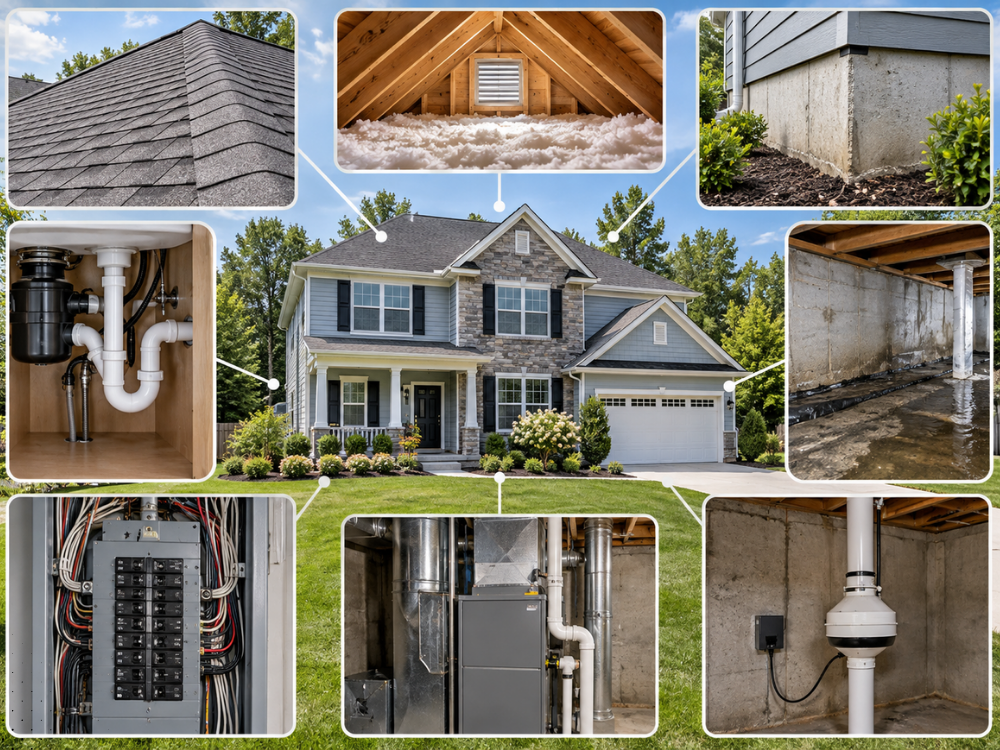
Quality Home Inspections evaluates the home much the same way a buyer's inspector will — including the roof and attic, structure and foundation, basement or crawl space, plumbing, electrical service and panel, HVAC system, and visible interior and exterior components.
The seller receives a written inspection report with photographs and observations similar to the report a buyer would receive.
The difference is timing.
When the inspection happens before listing, the information is yours early enough to act on. Repair what you choose. Get quotes on larger items. Disclose and price accordingly. Or simply understand the condition of the property so that findings raised during a spring buyer inspection are not unexpected.
Why Schedule a Pre-Listing Inspection in Delaware Before Spring?
Delaware rewards preparation because the state has real seasonal constraints and a well-advised buyer pool.
Much of Delaware's buyer traffic comes from Philadelphia, Wilmington's corporate corridor, and an increasing mid-Atlantic retiree market moving toward Kent and Sussex counties. These buyers are often professionally represented, frequently order thorough home inspections, and may use the inspection period as another stage of the transaction.
That means inspection findings may surface whether the seller knows about them beforehand or not.
The difference is whether you see those findings first, with time to understand them and obtain quotes, or encounter them for the first time in a buyer's repair request.
Weather is another reason fall preparation matters.
Asphalt shingles need suitable temperatures to seal properly. Exterior caulk, flashing compounds, masonry repointing, and concrete also require appropriate temperatures to cure as specified. Work completed during October may have better conditions than work attempted during colder winter weather.
A pre-listing inspection in Middletown, DE, Wilmington, or elsewhere in Delaware can therefore give sellers more time to plan seasonal repairs before the spring market begins.
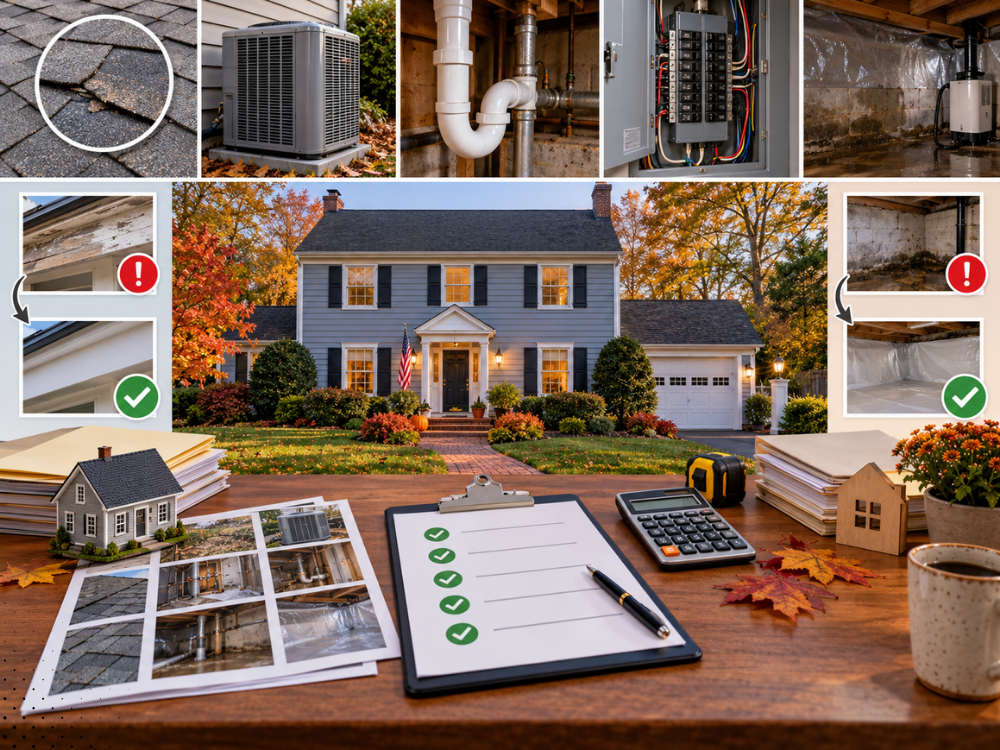
What Does a Pre-Listing Inspection Commonly Find in Delaware Homes?
Delaware homes vary widely by age, construction type, location, and property systems. However, several conditions regularly deserve additional attention during a seller's inspection.
Radon Testing — A Finding Delaware Sellers Often Underestimate
Radon deserves particular attention in Delaware, especially across the northern Piedmont in New Castle County, where radon potential can be elevated.
Radon has no smell, color, or taste. A visual home inspection cannot determine the radon level inside a home. Testing requires a measurement device placed in the property under appropriate closed-house conditions.
There is also a seasonal consideration.
From October onward, homes are generally kept closed more consistently than during warmer months, when windows and doors may remain open more frequently.
The EPA recommends action at 4.0 pCi/L or above.
Testing for radon before listing allows Delaware sellers to learn the home's radon level on their own schedule. If mitigation is warranted, a system can be installed and verified before the property reaches the market rather than being handled during a buyer's inspection contingency.
Radon mitigation is a well-established process and, for many homes, can be completed within a relatively short installation period.
Basement Moisture in Delaware Homes
Basements are common across much of Delaware, and moisture conditions are among the findings sellers may encounter during a home inspection.
An inspector may observe efflorescence or staining on foundation walls, damp areas, musty odors, or sump pump conditions that deserve further attention.
The source is often related to exterior drainage.
Grading that slopes toward the foundation, downspouts discharging near the house, or gutters filled with fall leaves can contribute to water reaching the foundation.
Fall is a useful time to review these conditions because leaves are dropping and drainage patterns can be easier to identify before winter weather arrives.
Older Electrical Systems in Wilmington, Newark, and New Castle County
Wilmington, Newark, and older communities throughout New Castle County include a significant amount of pre-war and older housing stock.
During a Delaware home inspection, conditions such as undersized electrical service, ungrounded receptacles, knob-and-tube remnants, and certain older electrical panel types may be identified.
Electrical findings can matter for more than a buyer's repair list. Depending on the condition and property, they may also affect insurance or financing considerations.
Identifying these conditions before listing gives the seller more time to understand what is present and determine whether additional evaluation or documentation is appropriate.
Heating Systems and Oil Heat
Heating systems can sit largely unused from spring through early autumn. The first genuinely cold weather is often when homeowners discover whether the system is operating as expected.
Oil heat also remains common in parts of Delaware.
Where an oil tank is present, an inspection may include observations of accessible conditions such as corrosion, staining beneath the tank, rusted supports, and the visible condition of supply lines.
Buried or previously buried oil tanks require separate consideration and can become an important issue for prospective buyers.
Learning about these conditions before listing allows a seller to gather documentation and obtain appropriate professional guidance before buyer due diligence begins.
Ice Dams Begin as an Attic Issue
Ice dams are not simply a gutter problem.
Warm air escaping into the attic can warm the roof deck. Snow melts, water travels toward the colder roof overhang, and the water can refreeze. As ice builds, additional meltwater may back up beneath the roof covering.
The underlying solution typically involves improving air sealing and insulation at the attic floor while maintaining appropriate soffit ventilation.
These conditions are easier to evaluate and address during October than during February after winter weather has already arrived.
Well and Septic Systems in Kent and Sussex Counties
South of the canal, many Delaware properties rely on private wells and septic systems.
Both systems matter to buyers, and both usually require separate evaluations beyond the standard home inspection.
For Delaware homeowners preparing to sell a property with a well or septic system, learning about those systems before listing can help reduce the possibility of a major contingency appearing shortly before closing.
Does a Pre-Listing Inspection Create a Disclosure Issue in Delaware?
Delaware requires sellers of residential property to provide a disclosure form addressing known property conditions.
How that requirement applies to your specific situation — including what changes once you have received a home inspection report — should be discussed with your real estate agent and, when appropriate, a Delaware real estate attorney.
Disclosure requirements are a legal matter, not a determination for the home inspector.
Ask your agent or attorney directly rather than relying on a blog for legal guidance.
However, sellers should also consider the practical alternative.
If the buyer's inspector identifies an elevated radon level, an oil tank concern, basement moisture, or another significant condition after an offer has been accepted, the seller may be dealing with that information during the inspection contingency and at a point when transaction deadlines are already running.
Having the information earlier provides more time to understand the condition, obtain professional opinions, gather contractor estimates, and decide how to proceed.
A pre-listing inspection can help sellers prepare for negotiations and provide actual contractor quotes when appropriate rather than making decisions for the first time under an inspection deadline.
What Should Delaware Homeowners Handle This October?
Whether or not you are preparing to sell, October is a practical month to review several seasonal maintenance items around a Delaware home.
Clear the gutters twice — once now and again after most of the leaves have fallen. Keeping gutters clear supports proper drainage around the home.
Extend downspouts away from the foundation and review areas where grading slopes toward the house.
Air seal the attic floor around recessed lights, attic hatches, and other penetrations while maintaining appropriate attic ventilation.
Run the heating system on a mild day, have it serviced as appropriate, and if the home uses oil heat, review the tank and visible supply lines.
Disconnect and drain exterior hoses, shut interior valves to hose bibs where applicable, and insulate exposed plumbing in basement and crawl space areas.
Sweep and inspect the chimney if you burn wood, and confirm that the damper operates properly.
Test smoke and carbon monoxide alarms. The U.S. Fire Administration provides current guidance on alarm placement and replacement, and carbon monoxide awareness becomes especially important during heating season.
What Does a Delaware Home Inspection Actually Cover?
A standard home inspection is a visual and operational evaluation of the accessible systems and components of a home.
The inspection typically covers the structure, roofing, exterior, interior, electrical system, plumbing, HVAC equipment, insulation, and ventilation, documenting what is visible and how accessible components perform on the day of the inspection.
A home inspection is not destructive testing, and it is not a code compliance inspection.
InterNACHI's Standards of Practice describe the general scope professional inspectors work to.
Services such as radon testing, well water testing, septic evaluation, and oil tank scanning are separate from a standard home inspection and are worth discussing when scheduling a pre-listing inspection.
What Delaware Sellers Ask About Pre-Listing Inspections
Should I test for radon before listing a Delaware home?
In Delaware, sellers should strongly consider radon testing.
Radon potential is elevated in parts of the state, and buyers may include radon testing as part of their inspection contingency. Testing before listing gives the seller an opportunity to learn the home's radon level on their own schedule.
If mitigation is needed, it can be installed and verified before the property reaches the buyer's inspection period.
How far ahead of listing should I schedule a pre-listing inspection?
Schedule the inspection far enough ahead that you have time to act on the information.
For a spring Delaware listing, October through winter provides time to review the report, gather contractor estimates, address seasonal maintenance, and plan repairs before the spring market becomes active.
Do I have to fix everything a pre-listing inspection finds?
No.
A home inspection report provides information; it is not a work order.
Sellers may choose to address safety or inexpensive maintenance items, obtain estimates for larger conditions, or disclose other findings as appropriate. Your real estate professional can help determine how those decisions fit into your listing strategy.
What should I know about an old oil tank?
An older oil tank can be an important concern for a buyer, particularly when a tank was previously buried on the property.
Knowing the situation and gathering available documentation before listing is generally easier than discovering the issue for the first time during the buyer's due diligence period.
My Delaware property has a well and septic system. What changes?
Buyers may request information or evaluations for both systems.
Well and septic evaluations are separate from a standard home inspection. Addressing them before listing can help sellers understand the systems before they become part of a buyer's inspection contingency.
What areas does Quality Home Inspections serve?
Quality Home Inspections serves Delaware statewide from its Middletown base, including Wilmington, Newark, Bear, Smyrna, Dover, and surrounding communities throughout New Castle and Kent counties.
Call to confirm availability for your property address.
How long does a pre-listing home inspection take?
A typical home inspection takes approximately two and a half to four hours, although older homes and properties with additional systems, wells, septic systems, or outbuildings may require more time.
The inspection report includes photographs, condition observations, and repair recommendations.
Prepare for Delaware's Spring Market Before Winter Arrives
Delaware's spring real estate market rewards sellers who prepare before listing.
If you expect to sell your home next year, a pre-listing home inspection in Delaware can help you understand the property's condition before the buyer's inspection period begins.
Instead of discovering conditions during spring negotiations, you have time to review the report, gather contractor estimates, plan repairs, and discuss disclosure decisions with your real estate professional.
If you are listing next year, find out now what you are selling.
Schedule your pre-listing inspection with Quality Home Inspections — call Ted at (302) 883-8797, and ask about radon testing when you schedule so the testing can be completed during the same visit.
Not listing yet? See the full range of inspection services — a maintenance inspection covers many of the same major home systems and can help you better understand your property before winter.